

When Paper Becomes Sacred: The Israeli Artist Turning Love Stories Into Heirlooms
How Noa Attias transforms Jewish tradition into deeply personal works of art, one hand cut ketubah at a time
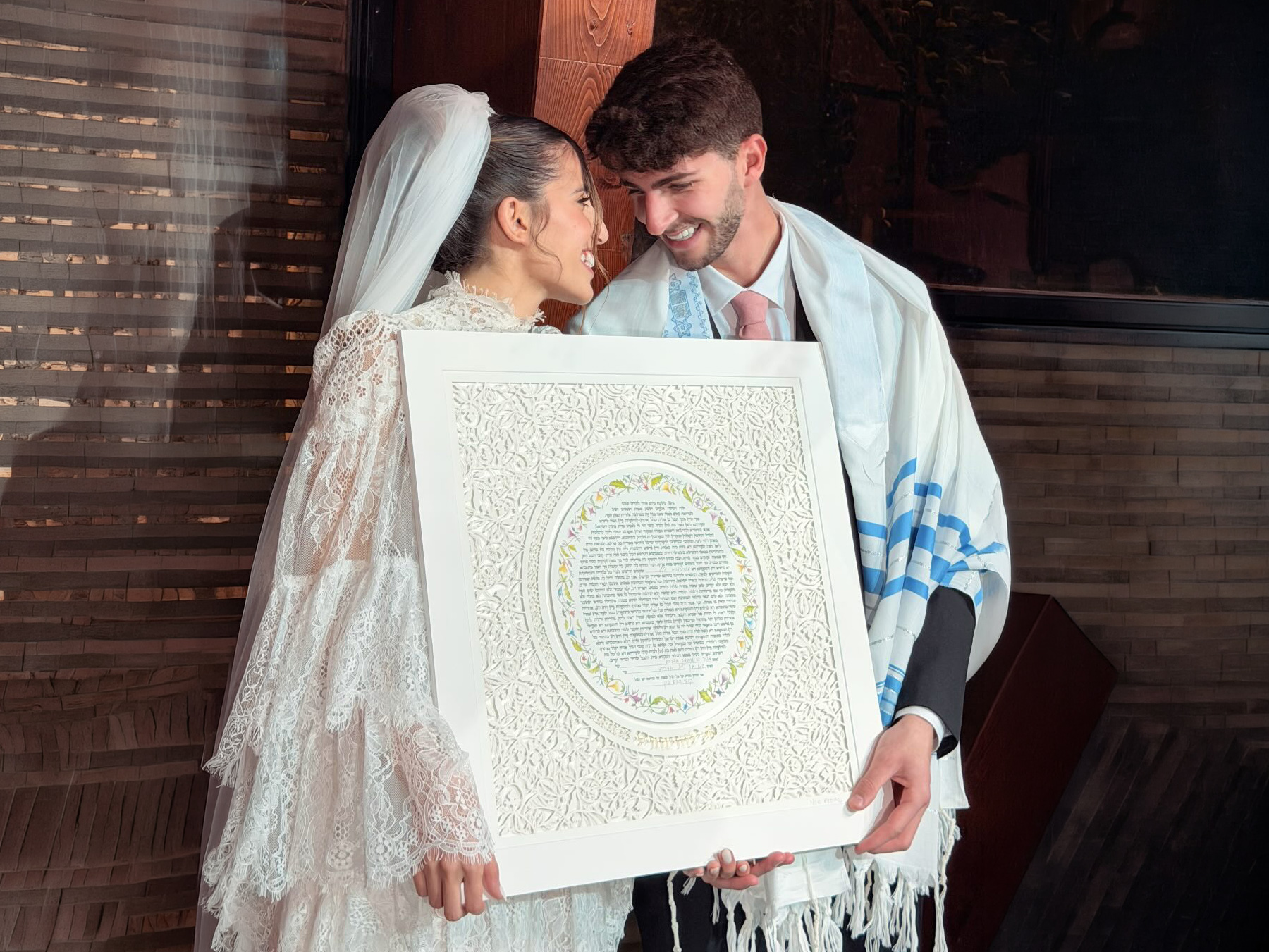
In a world of mass production and digital shortcuts, there's something deeply intentional about spending two months cutting a single piece of paper by hand. But for Noa Attias, an Israeli artist working from her studio near Modi'in in central Israel, this painstaking process isn't just about creating art. It's about preserving love stories, healing relationships, and connecting couples to something far deeper than a legal document.
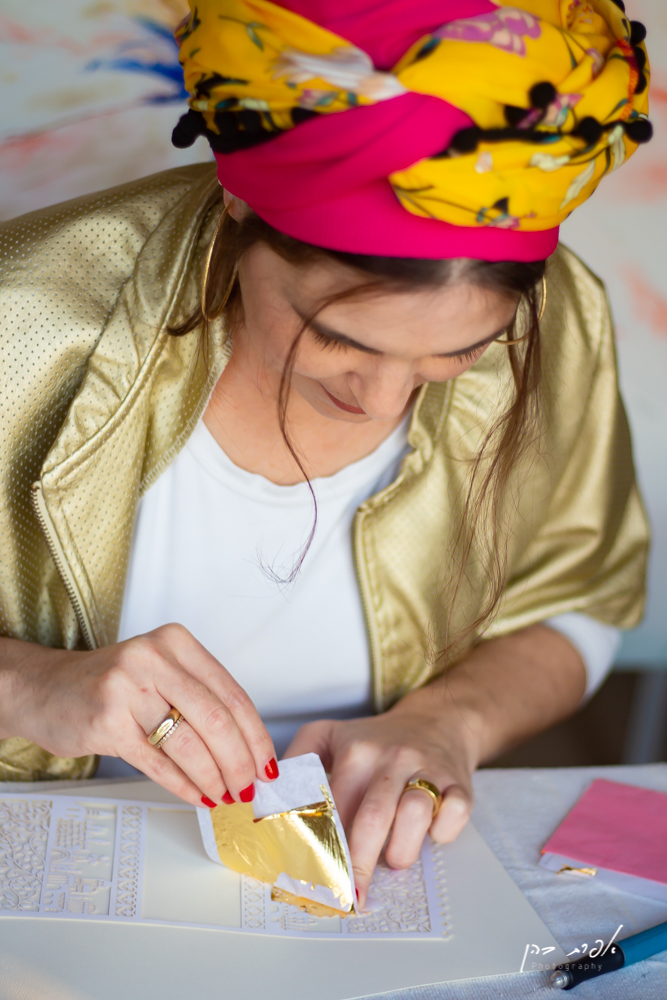
Noa Attias specializes in handcrafted ketubahs, Jewish marriage contracts that have been part of Jewish weddings for over 2,000 years. But her work goes far beyond traditional calligraphy on parchment. Through intricate papercutting techniques that combine hand cutting, laser precision, 24k gold accents, and watercolor, she creates pieces that feel both ancient and contemporary. Works of art that couples don't just sign, but treasure for generations.
Working from her light filled studio where she welcomes clients and teaches immersive papercutting workshops, Noa Attias has built a reputation that extends far beyond Israel's borders. Most of her clients are overseas, and she ships her work around the world several times a week.
The Couple Who Cried
A few years ago, a woman reached out to Noa Attias during one of the darkest periods of her marriage. She wasn't ordering a ketubah for a wedding. She was searching for something that could express what words couldn't. A gift that might help rebuild what was broken.
"She told me about their relationship, the struggles they were facing, and what she hoped this piece could represent," Noa Attias recalls. "We sat together and thought deeply about what would be meaningful. From that conversation, a completely personal design emerged."
The woman wanted to create something that would remind her husband of their love, of the foundation they had built together, and of the reasons they chose each other in the first place. Noa Attias poured that intention into every cut, every detail.
When the woman gave the custom papercut to her husband, he broke down in tears.
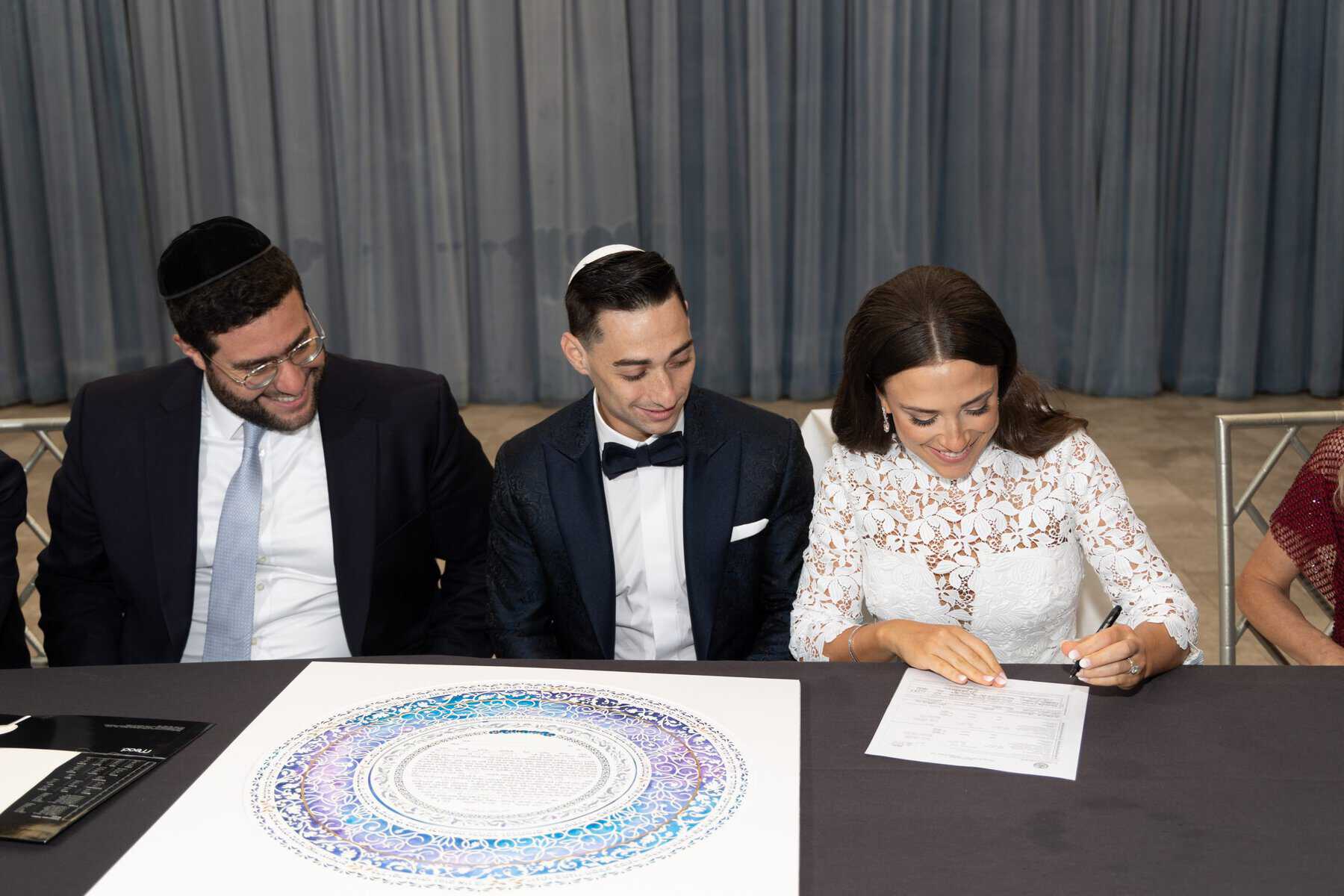
Months later, Noa Attias was exhibiting her work at a trade show in the United States when the couple appeared. This time with their newborn daughter.
"They came to find me," Noa Attias says, her voice still carrying the emotion of that moment. "We hugged, and she kept telling me how much that piece meant to them. How it had been part of their journey back to each other."
The artwork had become more than a gift. It had become a symbol of resilience, a visual reminder that love can be repaired, that beauty can emerge from struggle.
It's stories like these that have defined Noa Attias's thirty year career. What began as a graduation project in graphic design has evolved into something far more profound. A practice where art becomes a vessel for memory, identity, and hope.
From Ashes to Art
Another story stays with her.
A client in Texas had purchased several pieces of Judaica from Noa Attias over the years. Then a massive fire swept through her neighborhood, destroying her home entirely. No belongings. No photographs. Nothing was spared.
When the family began rebuilding, the woman knew exactly what she wanted as the first piece of art in their new home.
"She reached out and said that the very first artwork she wanted to bring into their rebuilt house was one of my Judaica pieces," Noa Attias says softly. "After losing everything, that was her choice."
These aren't just decorative objects. They're witnesses to life's most significant moments. And sometimes, to survival itself.
The Airplane, the Spaghetti, and the Octopus
While Noa Attias creates a wide range of Judaica, from challah boards to family trees to ceremonial pieces, it's her custom ketubahs that draw the most emotion. And sometimes, the most unexpected requests.
One couple asked her to incorporate an airplane into their ketubah design. They had met on a flight, and that serendipitous moment in the sky became the foundation of their love story.
Another couple requested spaghetti.
"It was their favorite food," Noa Attias laughs. "So we found a way to weave it into the design in a way that felt elegant and meaningful."
Then there was the octopus. An inside joke between a couple that only they fully understood.
Perhaps her most moving non ketubah commission came from a widow who wanted to preserve her late husband's memory in a unique way. Noa Attias carefully stitched both of their wedding rings directly into a papercut artwork, along with their wedding date.
"She wanted to keep the rings in a way that was sacred, visible, and eternal," Noa Attias says quietly.
Two Paths, One Vision
Noa Attias offers two types of ketubahs, each with its own deeply personal process.
Her hand cut ketubahs begin with a Zoom consultation where the couple shares their story. How they met. What they love doing together. Inside jokes. Meaningful quotes. Family heritage. From this conversation, Noa Attias develops a concept and creates an initial sketch. Once approved, she begins the hand cutting process, which can take up to two months.
Simultaneously, she works with the couple on the text of the ketubah itself, sending it to their rabbi for approval before finalizing the design.
These hand cut ketubahs range from $5,000 to $6,000. A reflection of the months of skilled labor and the singular, irreplaceable nature of each piece.
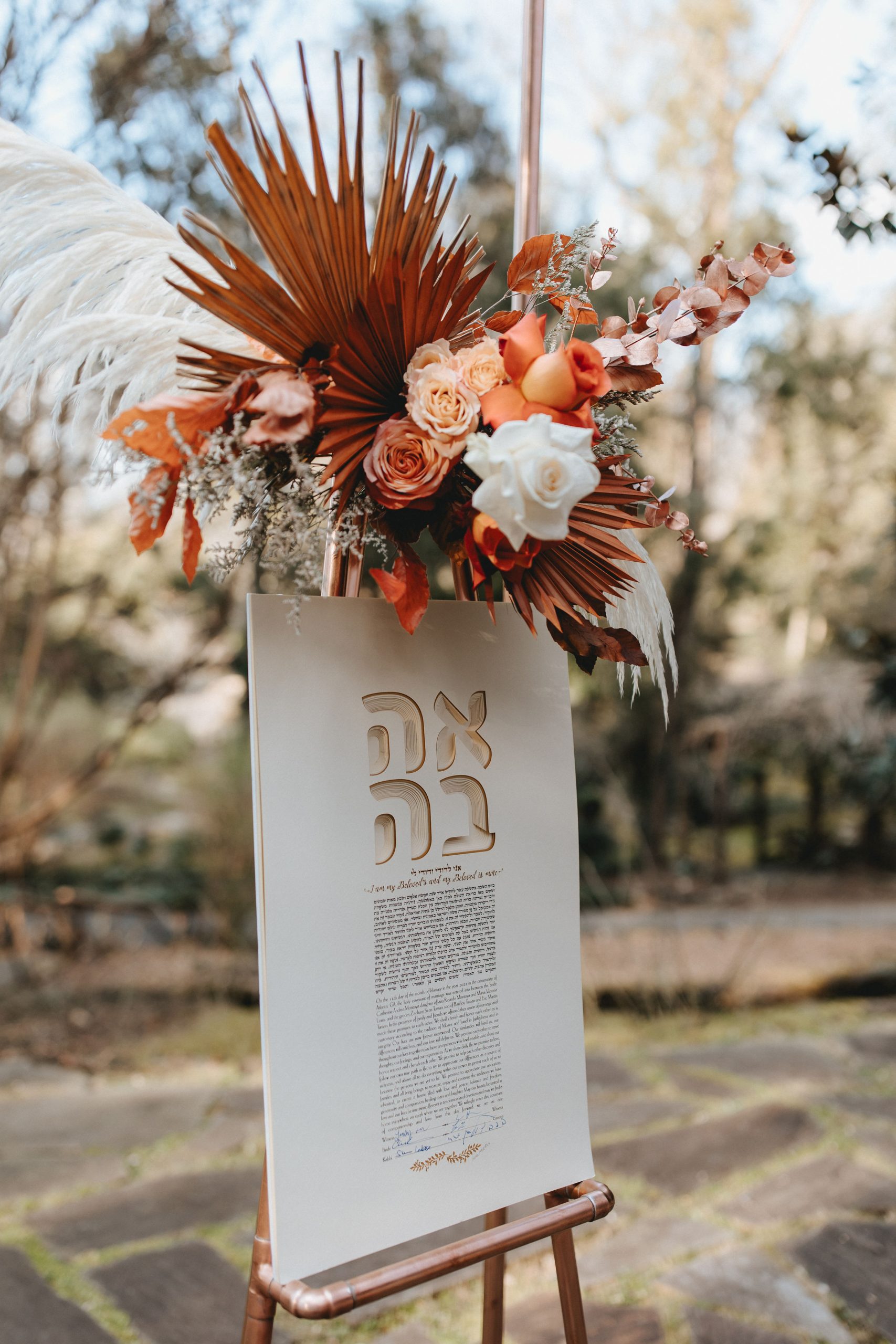
Her laser cut ketubahs offer a more accessible option. Couples select a design from Noa Attias's website, fill out a detailed questionnaire, and work with her to finalize the text. While these pieces use laser cutting technology, they still carry her signature aesthetic and attention to detail.
In both cases, the process is deeply collaborative.
"We usually have one Zoom call, and then we open a WhatsApp group," Noa Attias explains. "I want couples to feel connected to the process. If they have questions, I'm always available."
Jerusalem, Gold, and Legacy
Born in New York to a Zionist family, Noa Attias immigrated to Israel as an infant and grew up in Ra'anana before moving to Jerusalem. A city that continues to inspire much of her work. Her papercuts frequently feature the Jerusalem skyline, the Old City, the Western Wall, and iconic landmarks like the windmill at Yemin Moshe and David's Tower.
Each year during Sukkot, her work is displayed in the main sukkah facing the Western Wall. A testament to how deeply her art resonates with Jewish spiritual life.
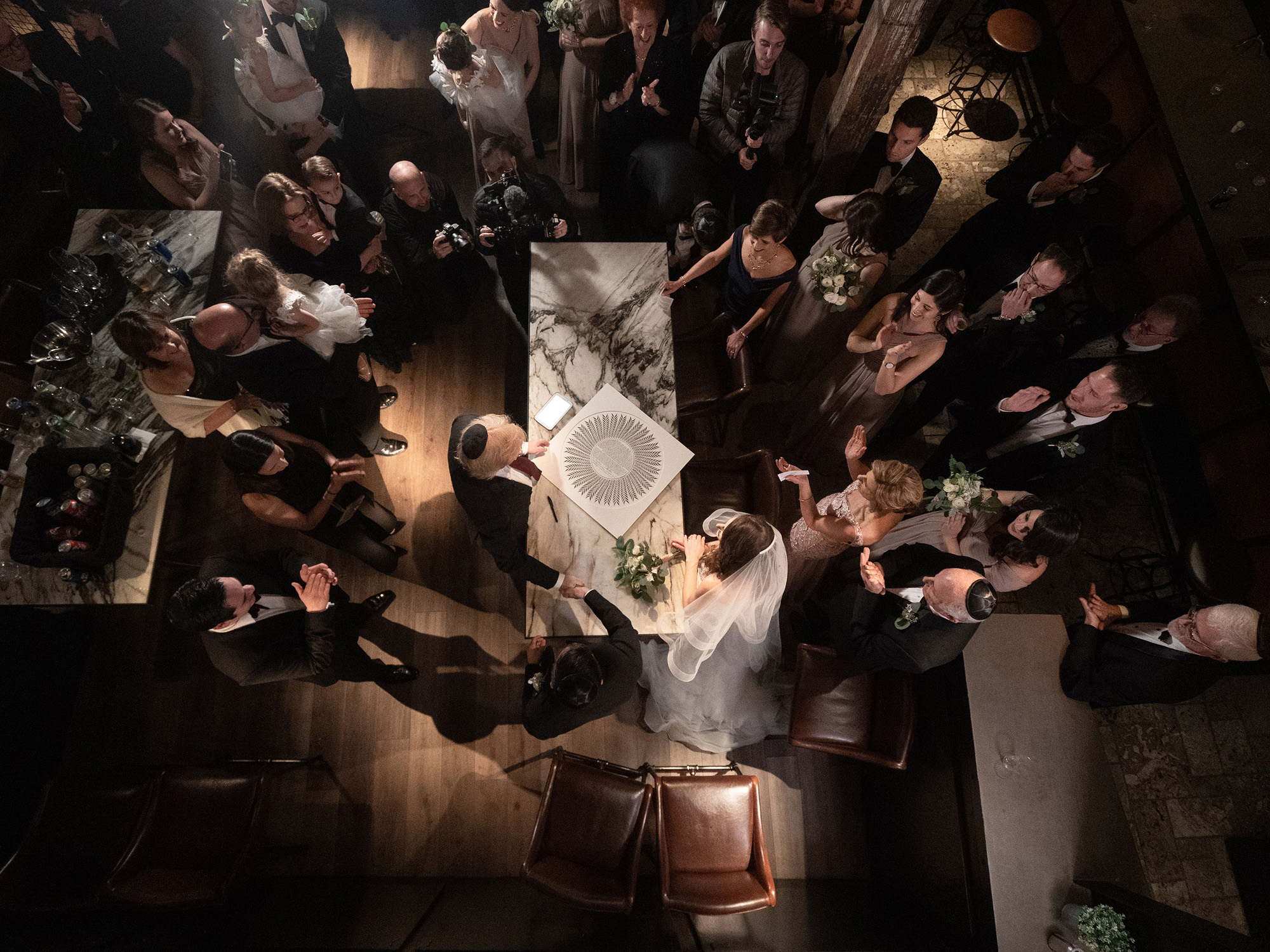
Over the years, her pieces have been commissioned as gifts for world leaders, philanthropists, and public figures by organizations including United Hatzalah, Shaare Zedek Medical Center, the Weizmann Institute, and Haifa University. One particularly meaningful moment came when her artwork was selected as a gift presented to the President of Germany.
But while her client list includes the prominent and powerful, Noa Attias remains most moved by the ordinary couples who choose her work for their weddings.
"Most of my clients are overseas," she says. "I ship my work around the world several times a week. And every time I send a piece, I feel like it's an ambassador. Not just for my art, but for Israel, for Jewish tradition, for the idea that beauty and meaning still matter."
Why Hand Cut in a Digital Age?
In an era when virtually anything can be produced quickly and cheaply, why do couples choose to invest thousands of dollars and wait months for a hand cut ketubah?
"Because it's theirs," Noa Attias says simply. "It's not a template. It's not generic. It's a visual story of their love, their journey, their hopes. When they look at it on their wall, they see themselves."
There's also something undeniably powerful about knowing that a single human hand spent two months carefully cutting, shaping, and adorning the piece that will hang in their home for the rest of their lives.
More Than a Document
For Noa Attias, papercutting is more than an art form. It's a way of honoring the Jewish lifecycle, of making tradition feel relevant and beautiful for a new generation, and of connecting people across continents to something ancient and enduring.
"Every story deserves to be told," she says. "And every love story deserves to be beautifully crafted into something that lasts."
Whether it's a couple in New York starting their life together, a family in Texas rebuilding after devastating loss, or a woman seeking to heal her marriage, Noa Attias's work serves as a reminder that art, at its best, is not decoration.
It's connection. It's memory. It's sacred.
Your Love Story Deserves to Be Art
Every couple has a unique story. The moment you met. The journey you've walked together. The dreams you share for your future. Noa Attias believes these stories deserve more than words on paper. They deserve to become heirlooms, passed down through generations as tangible reminders of the love that started it all.
Whether you're drawn to the meticulous artistry of a hand cut ketubah or the elegant accessibility of a laser cut design, Noa Attias works personally with each couple to create something that feels unmistakably yours. From the first Zoom consultation to the final brushstroke of gold, you'll be part of the creative process, ensuring that every detail reflects your love, your heritage, and your hopes.
If you're ready to transform your ketubah into a work of art that tells your story, reach out to Noa Attias today. Because some moments are too precious for templates. They deserve to be cut by hand, crafted with intention, and made to last forever.
Begin Your Custom Ketubah Journey